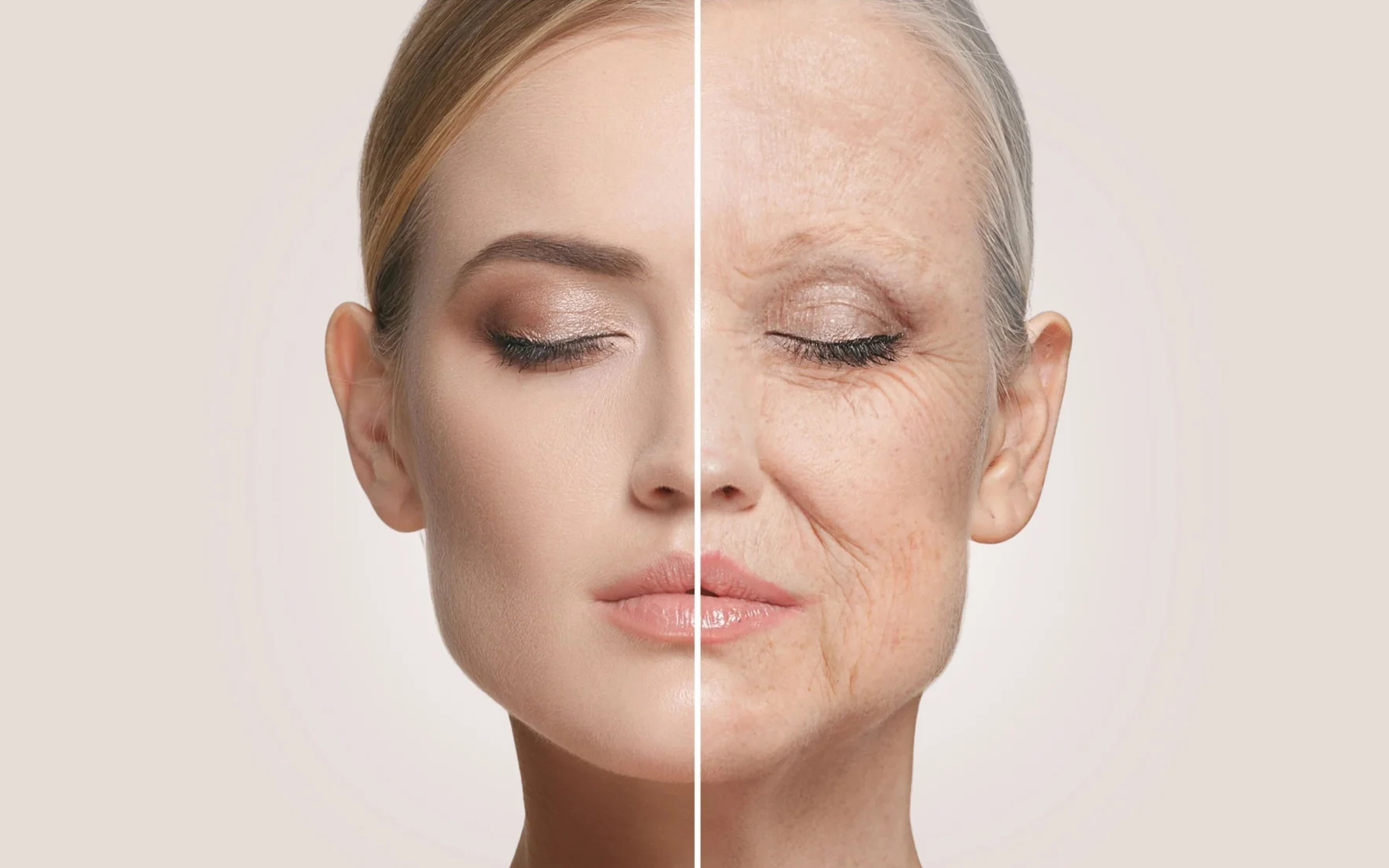

Skin regeneration is a complex biological process that lies at the core of healthy, luminous skin. Far from being merely a cosmetic concern, regeneration reflects the skin’s ability to repair itself, maintain structural integrity, and respond to internal and external stressors. Advances in dermatological science have revealed that luminosity is not superficial—it is a visible indicator of cellular balance and renewal.
At the cellular level, skin regeneration depends on the coordinated activity of keratinocytes, fibroblasts, and stem cells. These cells work together to replace damaged tissue, stimulate collagen and elastin production, and preserve the skin barrier. Factors such as oxidative stress, inflammation, and aging can disrupt this cycle, leading to dullness, uneven texture, and loss of vitality.
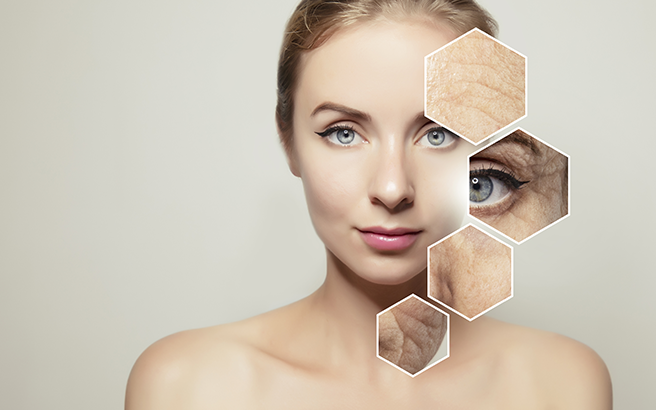
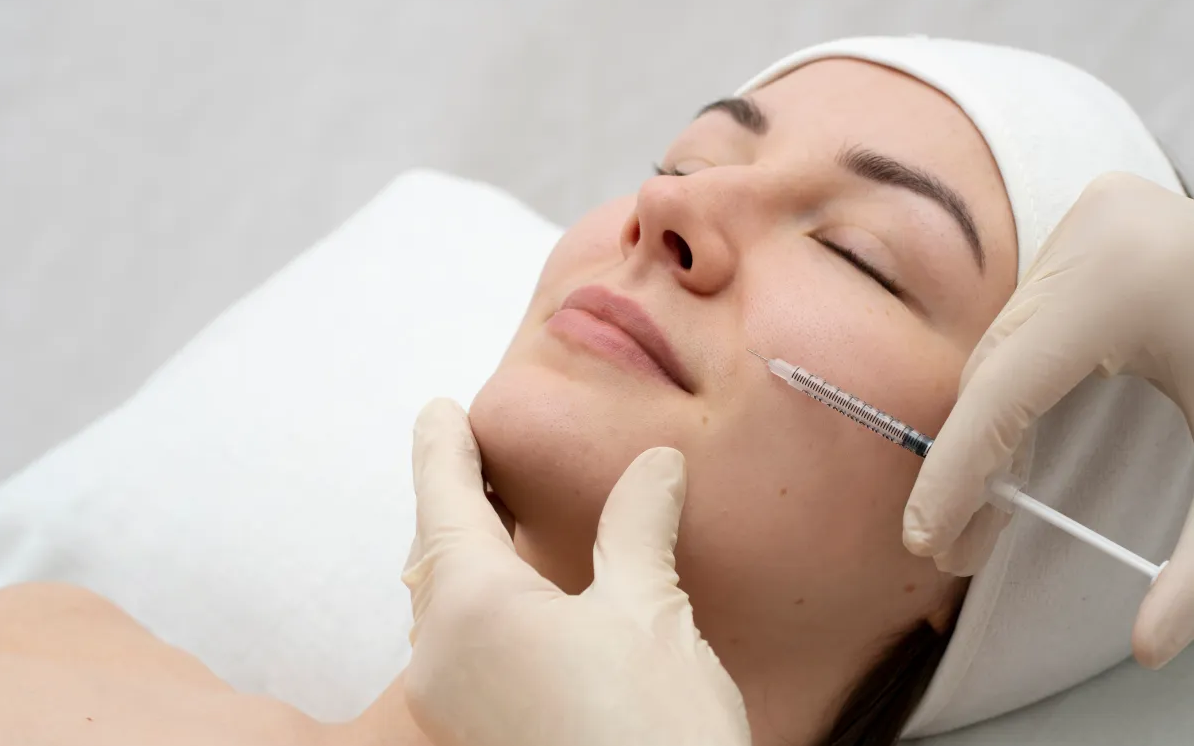
Modern research has transformed our understanding of how to support regenerative processes. Bioactive compounds, growth factors, and targeted therapies now aim to enhance cellular communication and accelerate repair mechanisms. Rather than masking imperfections, these approaches focus on restoring the skin’s natural functions, allowing luminosity to emerge as a biological outcome.
The science of luminosity, therefore, is rooted in regeneration, not illusion. By prioritizing skin health at a molecular and cellular level, contemporary dermatology moves beyond surface aesthetics, redefining radiance as a measurable expression of resilience, renewal, and long-term skin integrity.